
MEDIA’S INFLUENCE ON TEENAGERS
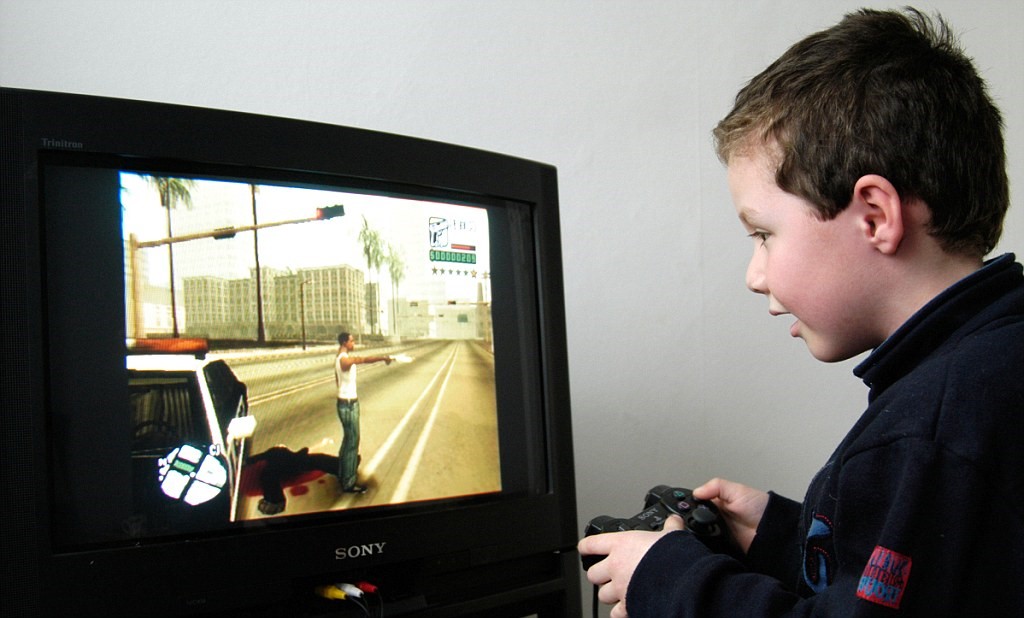
Seeing violent content often enough can make it more likely that someone will be aggressive and violent way and be less understanding of other’s needs and feelings or feel less afraid of their environment. Video games have become one of the favorite activities of children mostly teenager. A growing body of research is linking violent video game play to aggressive cognition, attitudes, and behaviors. Furthermore, Adolescents who expose themselves to greater amounts of violence video game were more hostile, reported getting into arguments with teachers more frequently, were more likely to be involved in physical fights, and performed more poorly in school.

Indirect communication. One of the primary reasons why social media is so popular is because of the lack of real-life interaction that is involved while communicating with people. Texting is one of the biggest ways teenagers communicate nowadays, and while it does have its pros, the cons are also eternally present — the biggest of them being that people are they tend to forget how to communicate with strangers when they’re put in scenarios that require face-to-face interactions that they become anxious and having problems articulating their thoughts into coherent sentences. Teens are masters at keeping themselves occupied in the hours after school until way past bedtime. When they’re not doing their homework they’re online and on their phones, texting, sharing, trolling, scrolling, you name it. For one thing, modern teens are learning to do most of their communication while looking at a screen, not another person
MEDIA’S EFFECT ON CULTURE
Media can manipulate, influence, persuade and pressure society along with controlling the world at times in both positive and negative ways.

Media made it easier to learn about breaking news on social media because it has unlimited access and flexibility that earth has become a global village. We can now know about any part of the world within minutes through TV and internet. Media is the best way to spread knowledge, info and news from one part of the world to other. Media educates the people to know their basic rights and how to use them. As for Teenagers in Brunei who are exposed to and taken interest in the news are more likely to be interested in major social and political issues. This can help to educate them and encourage them to become more involved as citizens of youngsters in Brunei and in their communities. This can also decrease the unemployment in Brunei.
Health experts love to say that sitting is the new smoking. Given the number of diseases to which sitting is linked, and the number of people it apparently kills every year, sitting is one of the worst things we can do for health. But possibly as concerning is the thing that we often do while we’re sitting: Mindlessly scrolling through our social media feeds when we have a few spare minutes. In a study, it was found that the more media adolescents used, the more likely they are to score high on a depression and anxiety sale.

Part of the reason social media makes people feel socially isolated is the comparison factor. We fall into the trap of comparing ourselves to others as we scroll through our feeds, and make judgement about how we measure up. Study looked at how people make comparisons to others posts, in “positive” or “negative” directions—that is, feeling that we’re either better or worse off than our friends. It turned out that both types of comparisons made people feel worse, which is surprising, since in real life, only negative comparisons make people feel bad. But in the social network world, it seems that any kind of comparison is linked to depressive symptoms. It’s no secret that the comparison factor in social media leads to jealousy—most people will admit that seeing other people’s tropical vacations and perfectly behaved kids is envy-inducing. Feeling jealous can make a person want to make his or her own life look better, and post jealousy-inducing posts of their own, in an endless circle of one-upping and feeling jealous.
RECOMMENDATION
Be nice online. Treat people the way you would want to be treated, don’t be hard going person. People who are nasty and aggressive online are at the greatest risk of being bullied or harassed themselves. If someone’s mean to you, try not to react, definitely don’t retaliate, and talk to a trusted adult or a friend who can help. Use privacy tools to block the meanies.
Be your own person. Don’t let friends or strangers pressure you to be someone you aren’t. And know your limits. You may be internet savvy, but people and relationships change, and unexpected stuff can happen on the internet.
In conclusion, social is not always bad for you, they also help you in so many ways. Its you who decide it, to go for positive way or negative way on social media. Also, don’t measure your own life based on what others post. People typically post happy photos and stories online and don’t usually share their boring or sad moments or unflattering photos. Don’t assume that others have better lives than you do, based on what they post.
 only dania